Reducing Trade Me Member Debt
Desktop/Product discovery/UI/UX
OVERVIEW
Trade Me is an e-commerce site in New Zealand that connects over 5 million active members to sell or buy new and used items.
When a member sells something on Trade Me, Trade Me takes a small fee. Currently, we do not force the member to save their card info for when their account goes into debt but rather trust them that they will pay the fee on their own time. There is already a feature to set an auto-payment to a chosen payment method, but it was not working well. I looked into the problem and discovered the power of 'gentle nudges'. Here is the story of how we fixed it and what we learned.
So, what was this existing feature?
Autobiller is an existing feature designed for members to set up an automatic payment to clear debt via their chosen payment method. "Why don't we already do this?" I hear you ask. Well, Trade Me has two distinct user types. Professional Members and Casual members. Both use Trade Me in very different ways and have different needs. Pro members prefer to avoid automatic billings as they deal with high volumes of debt and would choose to clear debt manually. Due to business goals, we have decided to keep this as a default-OFF feature.
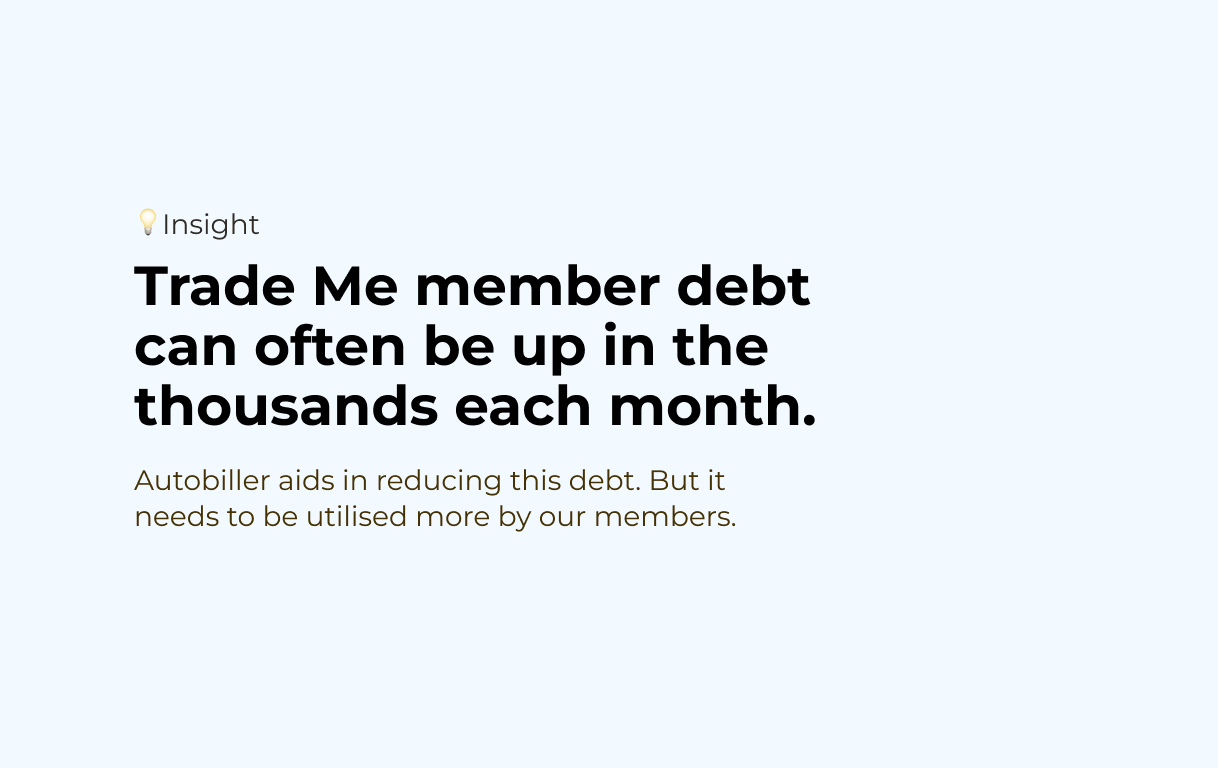
Trade Me member debt can often be up in the thousands each month. By having more members turn on Autobiller, we can consolidate debt and make payments more manageable. Having Autobiller turned on not only Trade Me members but also the company.
ROLE
I was the sole designer for this project and worked collaboratively with the project owner, user researcher, product managers, data analysts, developers and copywriters.
CONTEXT
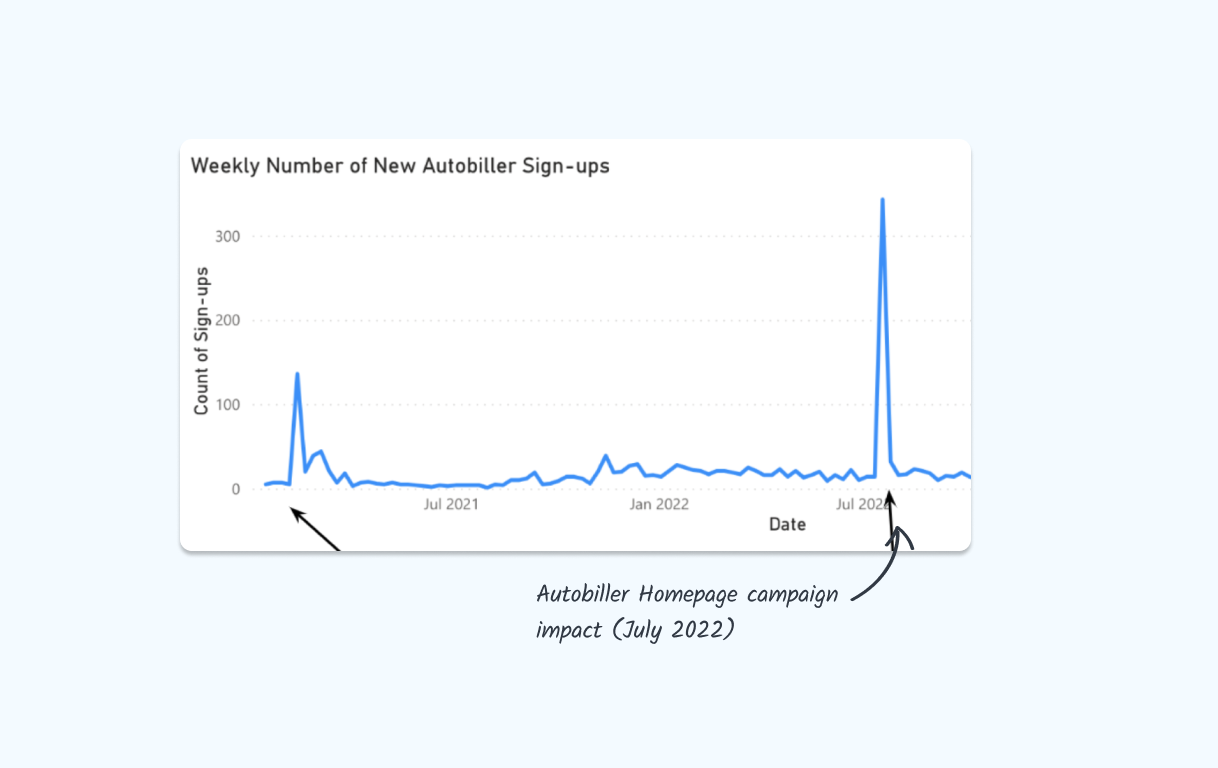
In 2023, we ran a campaign encouraging users to use the autobiller feature. We saw a 200% increase in activation. A great success!
1. DISCOVERY
OPPORTUNITY
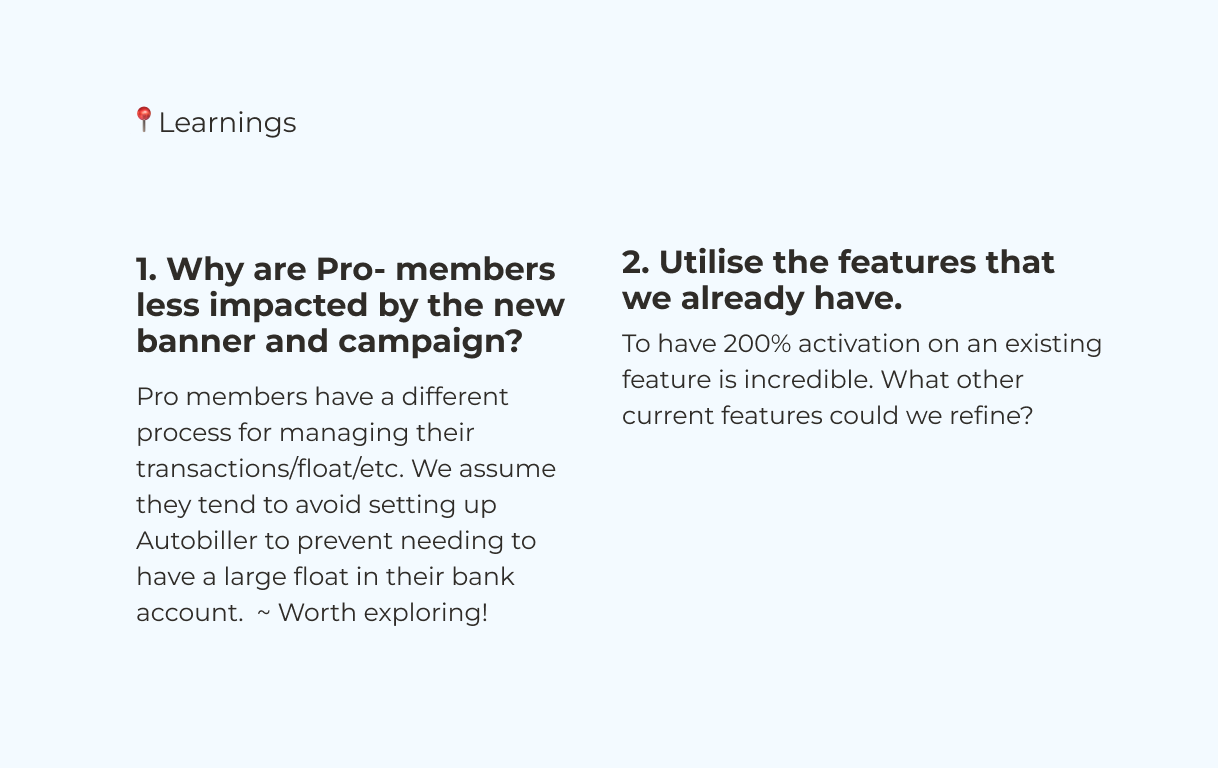
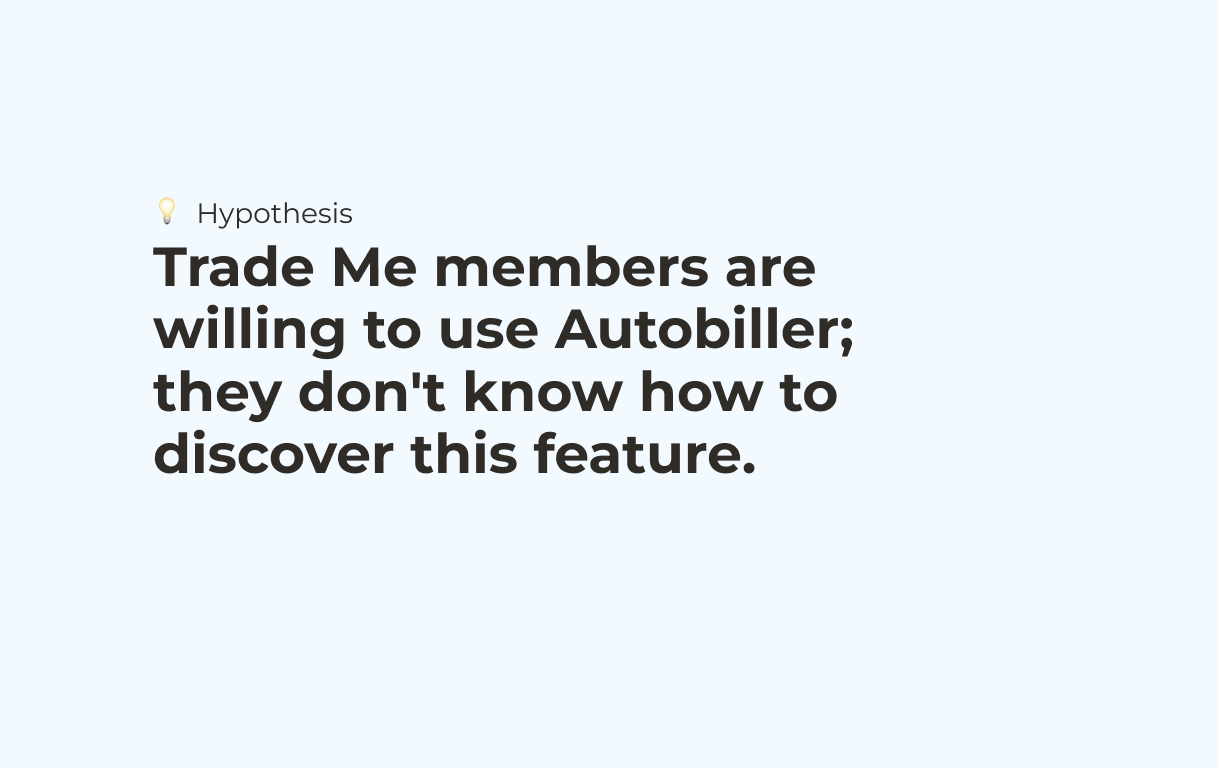
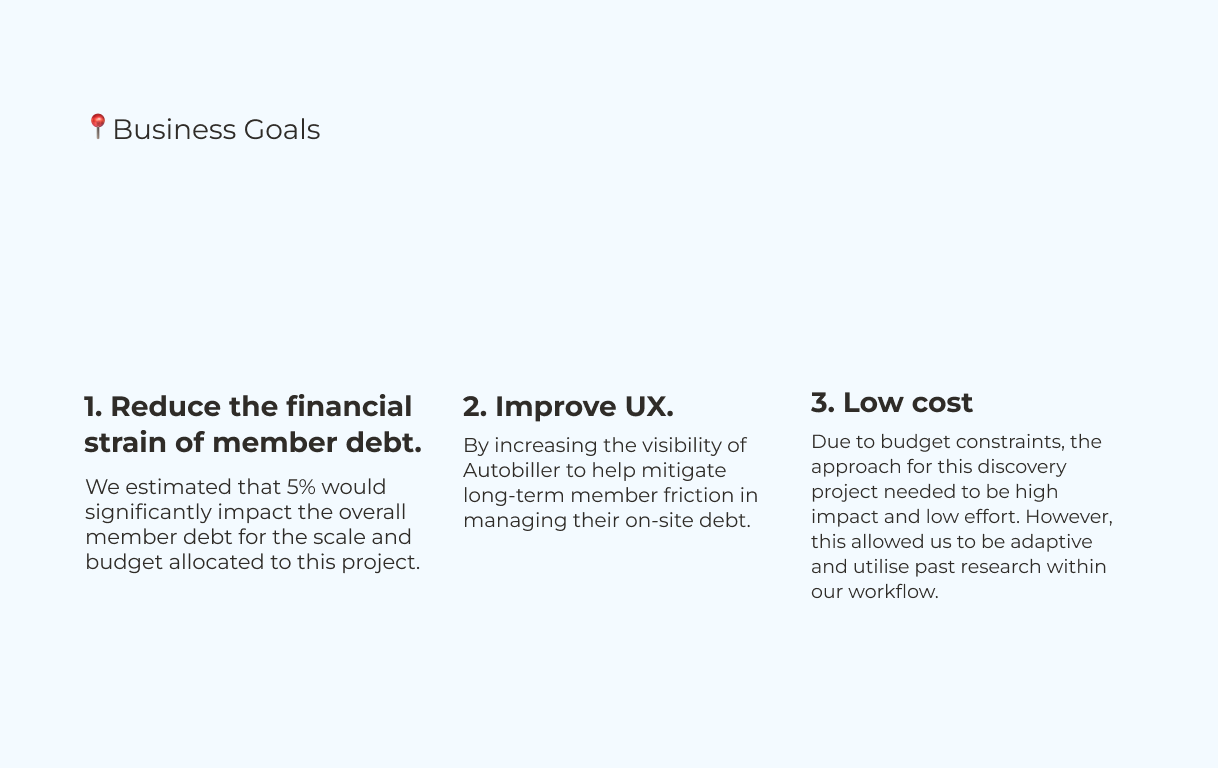
We are always looking for ways to reduce Trade Me member debt, and with the campaign's success, we saw the opportunity to improve awareness of Autobiller. We hypothesised that Trade Me members are willing to use Autobiller; they don't know about the feature and what it can offer them.
There is also an opportunity to reduce cognitive load for members when activating, as they do not have to clear their debts actively.
2. CORE
WHERE CAN WE CREATE THE MOST IMPACT WITHIN THE CURRENT USER JOURNEY.
Informative/Useful/Low-Cost
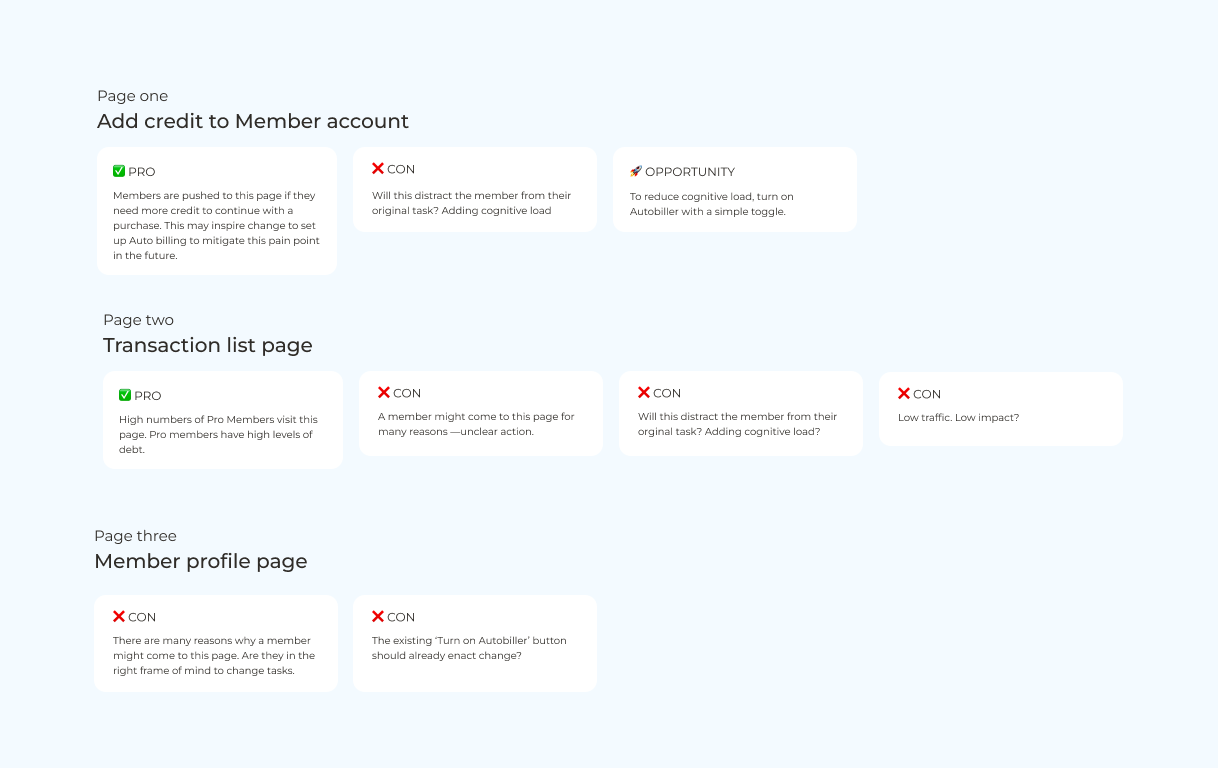
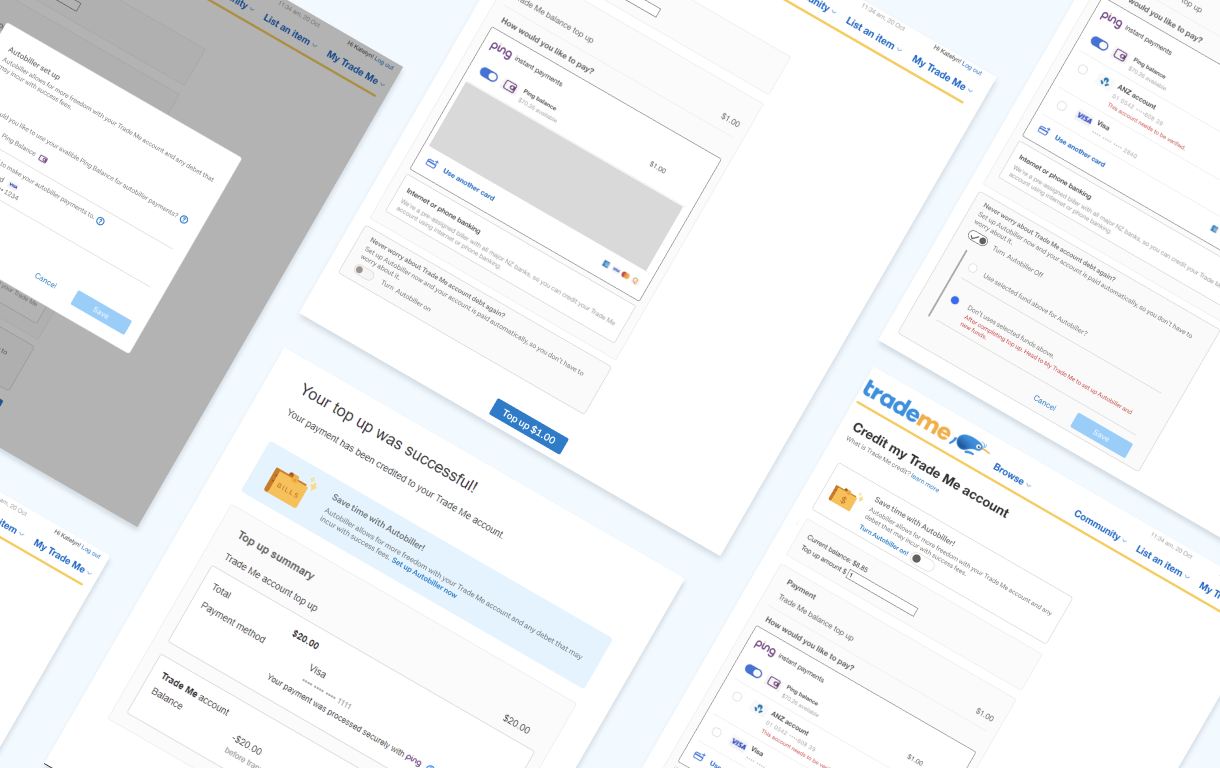
I mapped out the user journey to understand how someone might get into debt. From this, I identified a few key pages that might provide an excellent opportunity to inform members about this feature and brought them to my team for review.
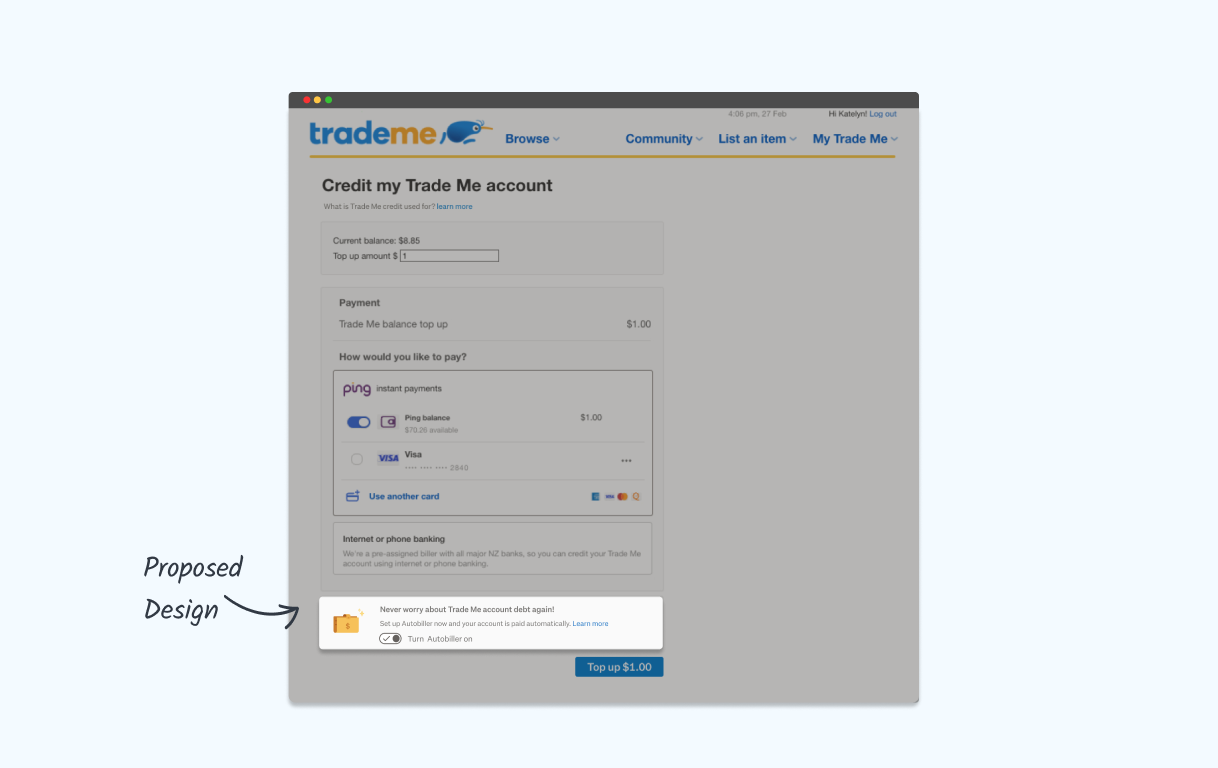
As our business goals stated, I knew we had to identify a part of the current user journey that is a high-impact effort. With my in-depth understanding of the user journey, I pulled out key areas where we could start exploring new opportunities for Autobiller visibility. I brought my analysis to my squad, and we agreed that the 'credit member account page' held the most potential.
CURRENT
FEATURE ANALYSIS
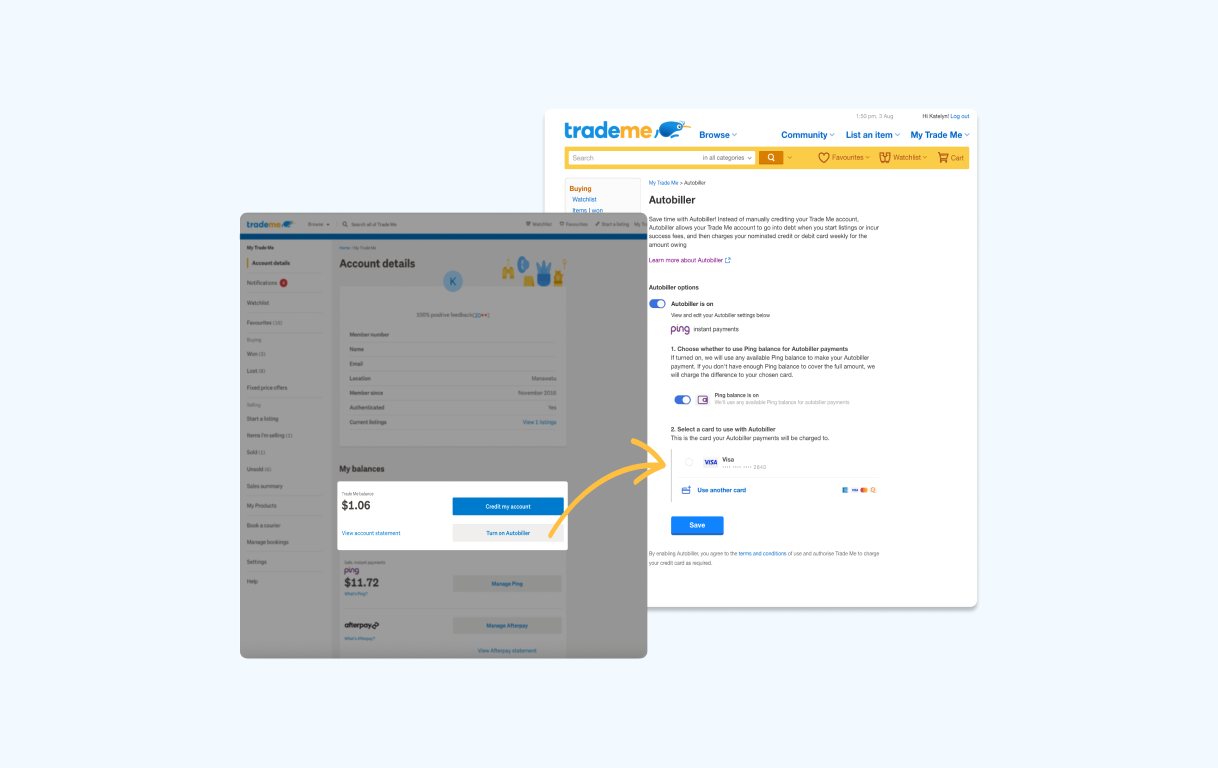
Pain point 1: Poor Discoverability
The Autobiller feature is hidden away on the member profile page. The location of the feature button works with the existing information architecture of the site, and once its use is understood, its location is notable and used.
Pain point 2: Creates member friction
When Autobiller is turned OFF, there are UX consequences for members. A member in debt cannot list a new item until the debt is clear — taking the member away from their intended task and creating friction.
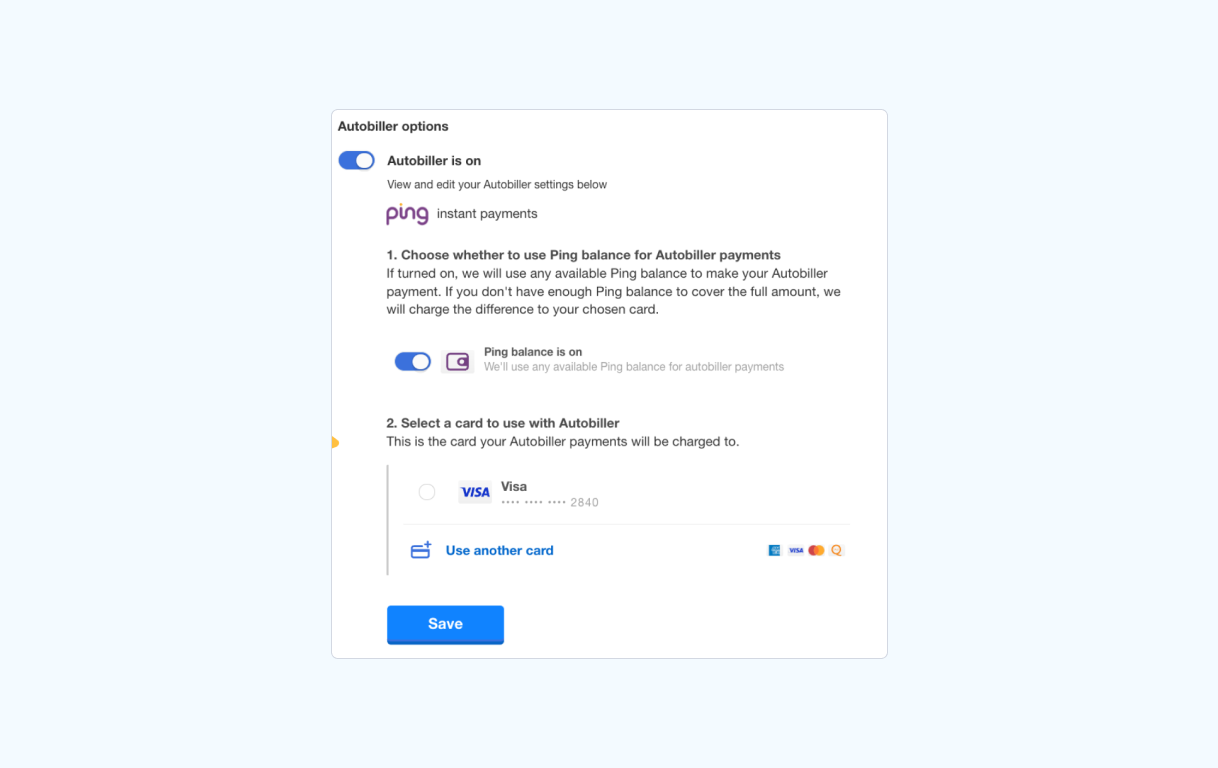
Pain point 3: Poor UX
The current UI and UX of the feature add cognitive load and show unclear information hierarchy.
ITERATE DESIGN
PROPOSED DESIGN
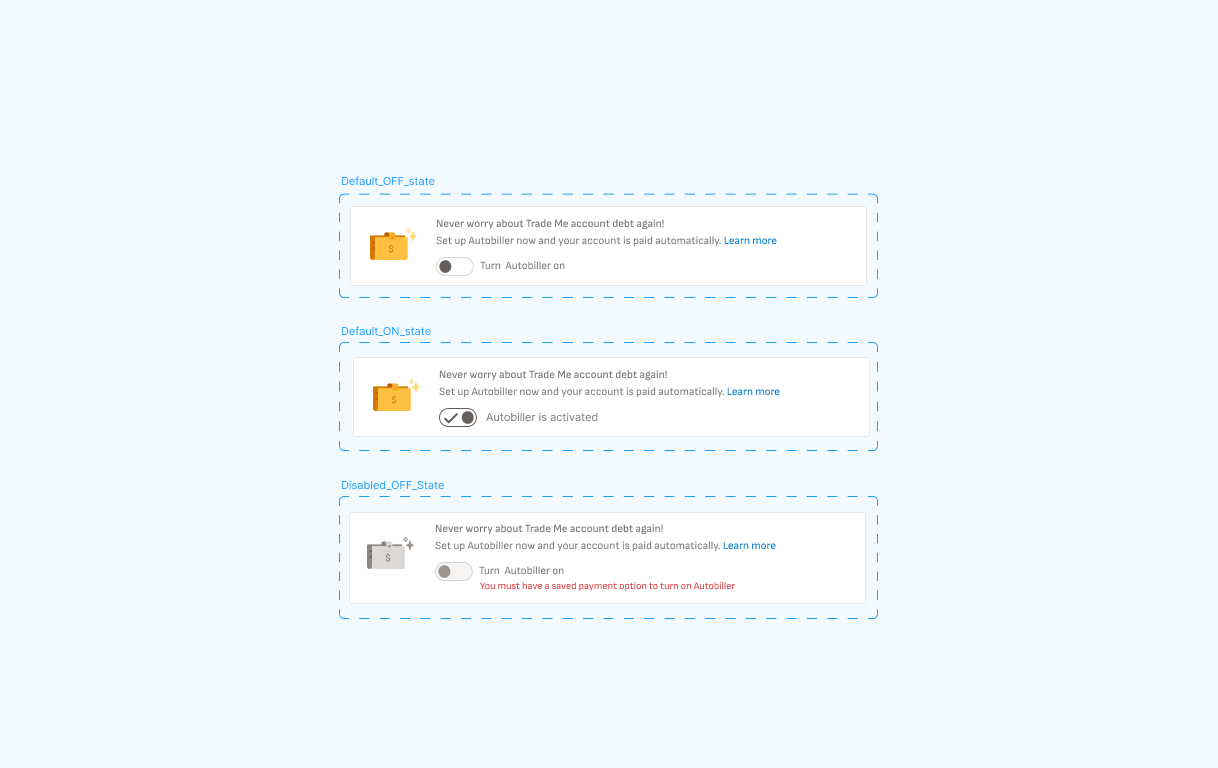
VALIDATING
EXPERIMENTATION
A/B TESTING
After an initial usability test with a small group of in-house participants was successful, we felt confident enough to push to validate our proposed idea with an A/B test. It was activated across 15% of both members for two weeks.
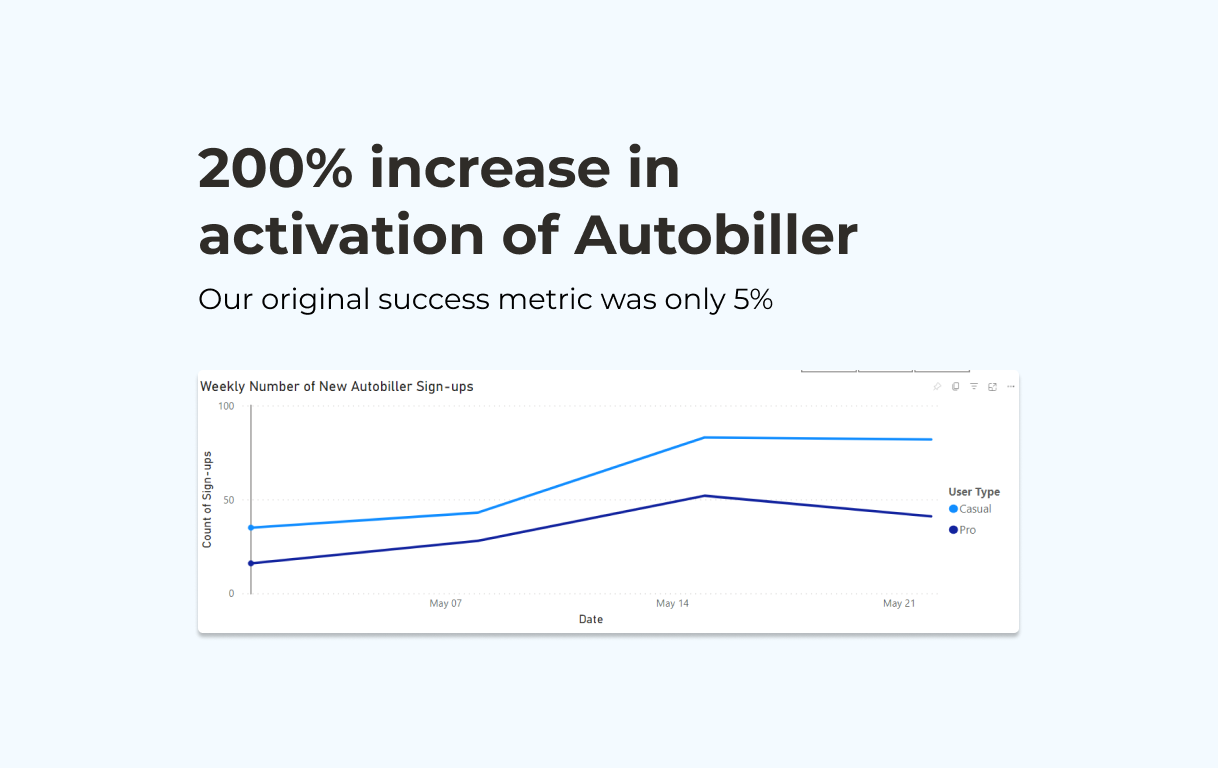
HOW TO MEASURE THE IMPACT
At the end of the experiment, we had a 200% uptake in Autobiller activation. This was a massive success! During our original product strategy, we had identified that a 5% update of Autobiller would be a financial benefit.